ORGANIC FERTILIZERS:
Granulars & Liquid Teas
Are you looking for natural & approved soil amendments that feed your beneficial soil microbes? You’ve found a jackpot here!
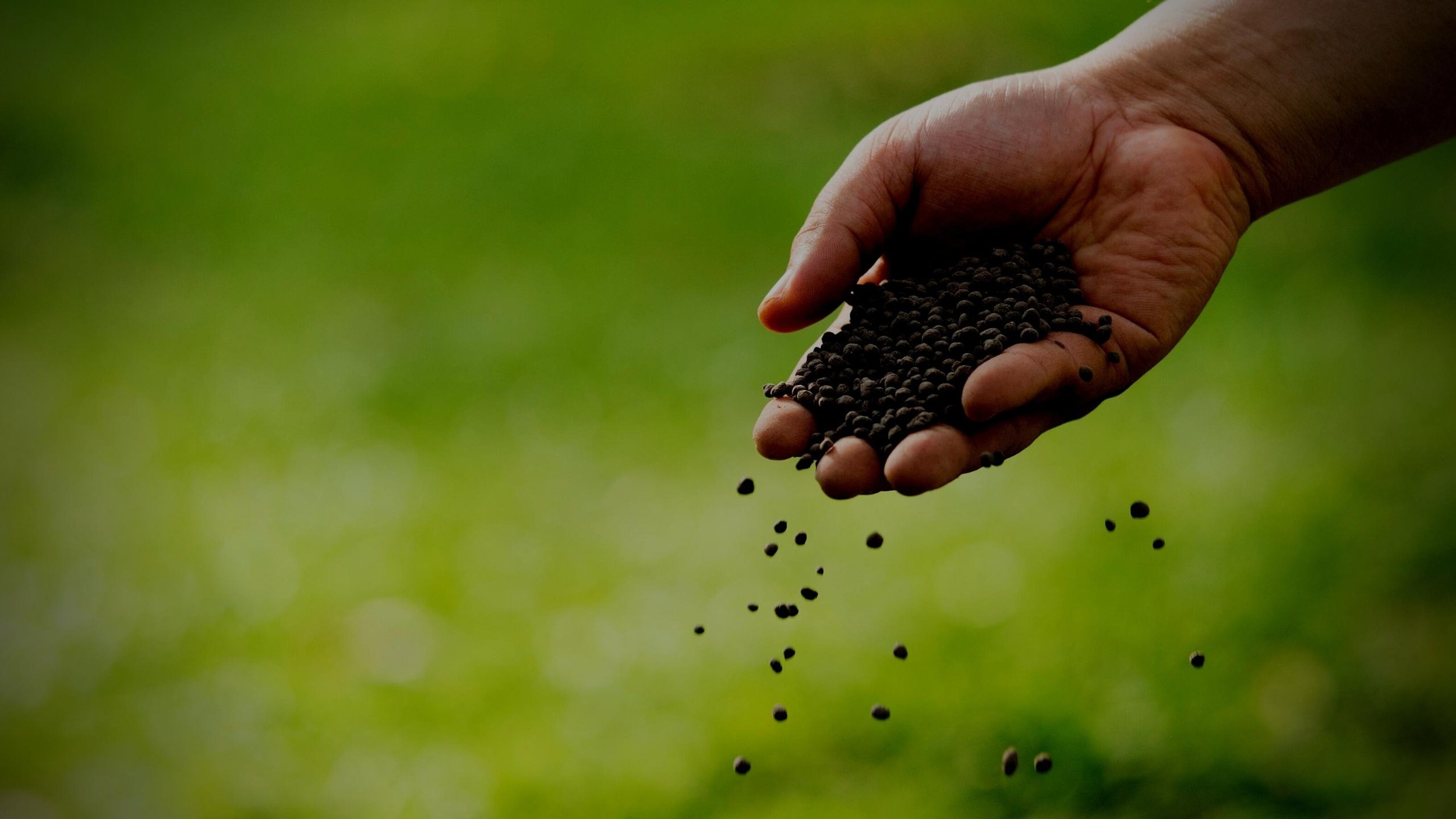
Organic soil nutrients can sound a bit strange—sul-po-mag, colloidal rock phosphate, greensand. They can be naturally occurring rock powders like sulfate of potash. They can also be ground-up plant materials like alfalfa meal, or granulated animal materials like bone meal. Many come in liquid form as well as granulars. Organic fertilizers boost nutrient density and nourish your soil food web.
Here you’ll learn what they are and how to choose.
ORGANIC FERTILIZER RESOURCES:






Soil Health Innovations: FREE Video
Juicy tidbits from the Alaska Botanical Garden Spring Conference: March 12, 2022, where Ellen Vande Visse of Good Earth Garden School is one of the presenters. The video features several informative presentations over five juicy hours of soil health topics, all available for free through the Alaska Botanical Garden.
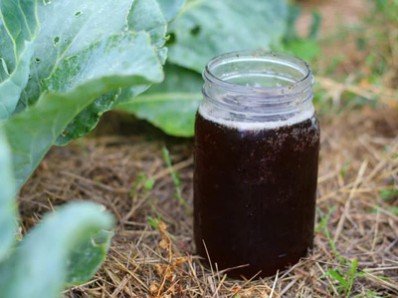

Actively Aerated Compost Tea
All the soil minerals in the world won’t make your plants grow unless you have the soil biology to deliver these nutrients. It is the soil microorganisms—namely bacteria, fungi, protozoans, and nematodes— who transform soil minerals into forms plants can use. This is how nature works, and the more diversity and higher numbers of microbes, the healthier the soil and plants will be.

Manure Tea to Nourish Your Plants
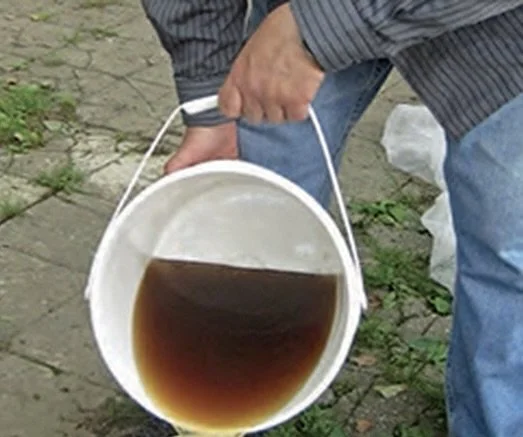
If you are someone rich in a livestock manure source, you can make manure tea to fertilize your garden plants.

Worm Tea to nourish your plants
In a typical worm bin, red wiggler worms digest and decompose kitchen waste, damp newspaper strips, and other organic matter. The red wigglers poop, and these accumulated “castings” are the vermi- compost. This product is a wet, crumbly, organic material. It is sweet-smelling and loaded with minerals and microbes. It’s very much like your finished compost from your outdoor compost heap, but vermi- compost is reported to contain somewhat higher populations of beneficial soil microbes per cupful.